08 Oct Could Buying a Business Expand the One You Already Have?
When business owners think about growth, they usually think about building: attracting more customers, adding services, purchasing equipment, or finding a larger space.
Buying an existing business may not immediately come to mind. Yet a complementary acquisition can bring together things that would take considerable time to develop separately.
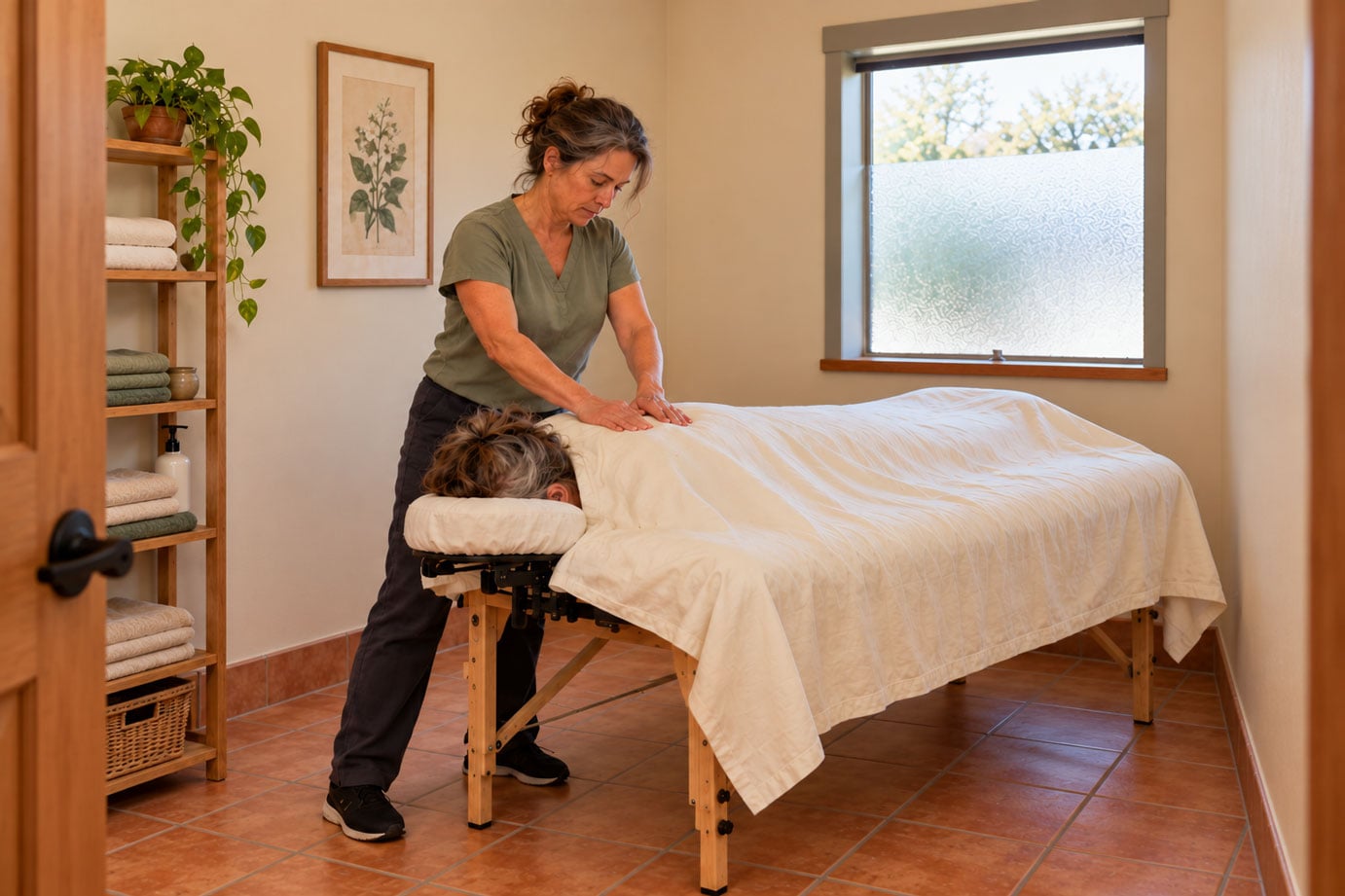
For a massage therapist or bodywork practitioner in Santa Fe, that might mean acquiring an established wellness business with a customer base, specialized equipment, and a venue where their own services could fit. The opportunity is easier to recognize when you look beyond the business’s current menu and consider what you could bring to it.
Do You Serve the Same Customers in Different Ways?
Two businesses do not have to offer the same services to be a good fit. They may serve people with related interests or needs.
A client who regularly books massage may also be interested in other wellness services. A customer who already visits a wellness center may welcome the opportunity to book bodywork at the same location.
That overlap creates a reason to consider an acquisition. Each business brings something the other’s customers might appreciate, and an existing customer relationship provides a starting point for introducing those services.
In a local market like Santa Fe, where practitioners often build their businesses through referrals and repeat visits, those relationships deserve attention. The question is whether the services belong together in the customer’s experience.
What Would You Bring… and What Would You Gain?
A complementary acquisition works in both directions.
An established business may have a distinctive facility, equipment, booking systems, and customer relationships. A buyer may bring professional skills, a following, or services that the business does not currently offer.
Consider a bodywork practitioner who has built a loyal clientele but wants a setting that supports a broader wellness experience. Creating that setting from scratch could involve finding premises, completing improvements, acquiring equipment, and introducing customers to an entirely new venue.
An existing wellness business may already have much of that foundation.
Sam Goldenberg & Associates currently represents a Santa Fe wellness spa with more than $250,000 invested in specialized buildouts, property improvements, equipment, and amenities. For a practitioner whose services complement the existing offerings, it illustrates how an acquisition could provide a setting for growth without requiring every element to be created anew.
The fit depends on what the buyer wants to develop and what the business already provides.
What Does It Mean to Have a Vision for Growth?
Buyers often say they can see a business’s potential. A useful vision goes further than recognizing that more could be done.
For a bodywork practitioner, it might mean offering appointments before or after an existing wellness service, introducing their current clients to the venue, or developing programs with other local practitioners. Those ideas connect an identifiable customer group with services the buyer knows how to provide.
The next questions are specific: What would customers find useful? Have they asked for it? Why would they choose this combination? How would you introduce it?
The buyer’s own experience can help answer those questions. Someone who already works with the intended customers may recognize an opportunity that would be less apparent to a buyer entering the field for the first time.
Looking Beyond Your Own Business
If you already own a business or operate an independent practice, an acquisition search does not have to be limited to another business exactly like yours.
A complementary business may offer something you have wanted to develop: a suitable venue, an established audience, specialized equipment, or services that belong alongside your own.
At Sam Goldenberg & Associates, those connections are part of the conversation we have with prospective buyers. Understanding what you already do—and what you want to build—can help us identify opportunities you might otherwise overlook.